
Manufacturing & project support
Padel Court Packaging, Shipping & Unloading
PadelSpan prepares padel court steelwork, tempered glass, turf and fittings for export transport. Protective packing, component labels and a coordinated packing list connect the factory shipment with the installation sequence. We organize freight and document requirements around your destination, delivery terms and unloading access.
PROCESS & EQUIPMENT REFERENCES
Pack for identification, handling and arrival.
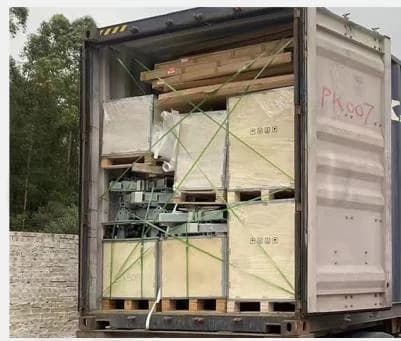
We protect long steel members, pack glass separately and label fitting kits for efficient receiving and assembly.
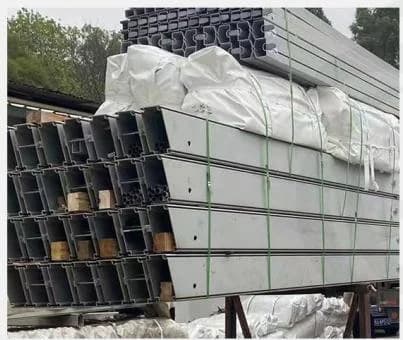
Protect long members
Agree bundling, surface protection, lifting points and identification for steel or roof members.
Separate fragile panels
Confirm the glass packing, orientation and safe unloading and storage arrangements.

Label the small components
Keep numbered fittings, fixing kits and their packing records linked to the installation sequence.

Plan the container and the site
Confirm shipment dimensions, delivery terms, unloading equipment and protected storage before arrival.
Match the packaging to the order
The selected court family, number of courts and canopy components determine what must be packed. Glass requires protected handling; coated steel needs suitable separation and identification; fittings should remain traceable to the correct installation. Agree any special labeling or receiving sequence that would help a multi-court or staged project.
Use the final packing information for shipment planning. Container capacity, total weight and package dimensions can change with configuration and packaging. A previous shipment is a useful reference, but it is not a guaranteed loading plan for a different order.
- Package identification linked to the order and component schedule.
- Protection requirements for glass, finishes and sensitive parts.
- Order-specific dimensions and weights for transport planning.
Define the logistics responsibilities
Confirm the named destination and the agreed commercial delivery terms. Clarify who arranges the main transport, insurance where applicable, import procedures, inland movement and unloading. Those responsibilities should be explicit in the commercial documents rather than inferred from the phrase delivery included.
The buyer and appointed freight or customs professionals should confirm destination-specific requirements. If wood packaging or particular documents are relevant to the shipment, identify the requirements early so the agreed packing and paperwork can be coordinated before dispatch.
Prepare for unloading before the vehicle arrives
Check vehicle access, turning space, unloading position and the route to protected storage. Confirm suitable handling equipment for the actual packages and glass. A site that can accommodate a finished court may still be difficult for a container vehicle or long packaged members to reach.
Agree who receives the load and checks the packing list. Where site access is restricted, discuss the transfer or staged-delivery arrangement with the logistics and installation teams. Avoid planning the first handling operation only after the shipment has reached the gate.
Record the received condition and protect stored equipment
Check package counts and visible condition against the shipping records. Photograph damaged packaging, labels and any affected item before discarding the relevant material. Report discrepancies with the order and package reference so the issue can be traced to the correct component.
Store the equipment using the guidance for the selected components and the local site's conditions. Preserve identification and protect parts while foundations or other works are completed. For temporary courts, discuss the later repacking and storage plan before the original packaging is removed.
Include the destination in your enquiry
Request a quotation with the country, destination city or port, court count, canopy requirement and known access limits. State whether your forwarder will handle the main transport and identify any special delivery sequence. Final logistics can then be discussed against a defined equipment package.
Make receiving and component identification straightforward
Our factory photographs show protected steel assemblies and glass packed in timber crates. The shipment packing list records the selected equipment and helps the receiving team identify the packages before assembly.
Count the packages against the list, photograph their condition and keep identification labels with the corresponding parts. For an issue or missing item, send the package reference and clear photographs to our after-sales team.
Practical answers
Before the next conversation
How many courts fit in one container?
The answer depends on the court configuration, accessories, canopy and packing arrangement. Request an order-specific loading proposal rather than applying a fixed quantity to every court family.
Is unloading included in the equipment supply?
Check the agreed delivery scope and terms. Unloading equipment, labour and site access should be assigned explicitly before shipment; they are not automatically included in a product quotation.
What should we do if a package arrives damaged?
Record the condition, package identification and affected items, and notify the responsible parties using the agreed process. Keep relevant packaging and documents while the issue is assessed.
Continue your selection
Find the right equipment

Club & Economy Padel Courts
Club & economy padel courts, manufactured for everyday play.
Explore the product
Panoramic Padel Court
Panoramic padel courts with open views and a defined steel frame.
Explore the product
Portable Padel Court
Portable padel courts with a dedicated movable base.
Explore the product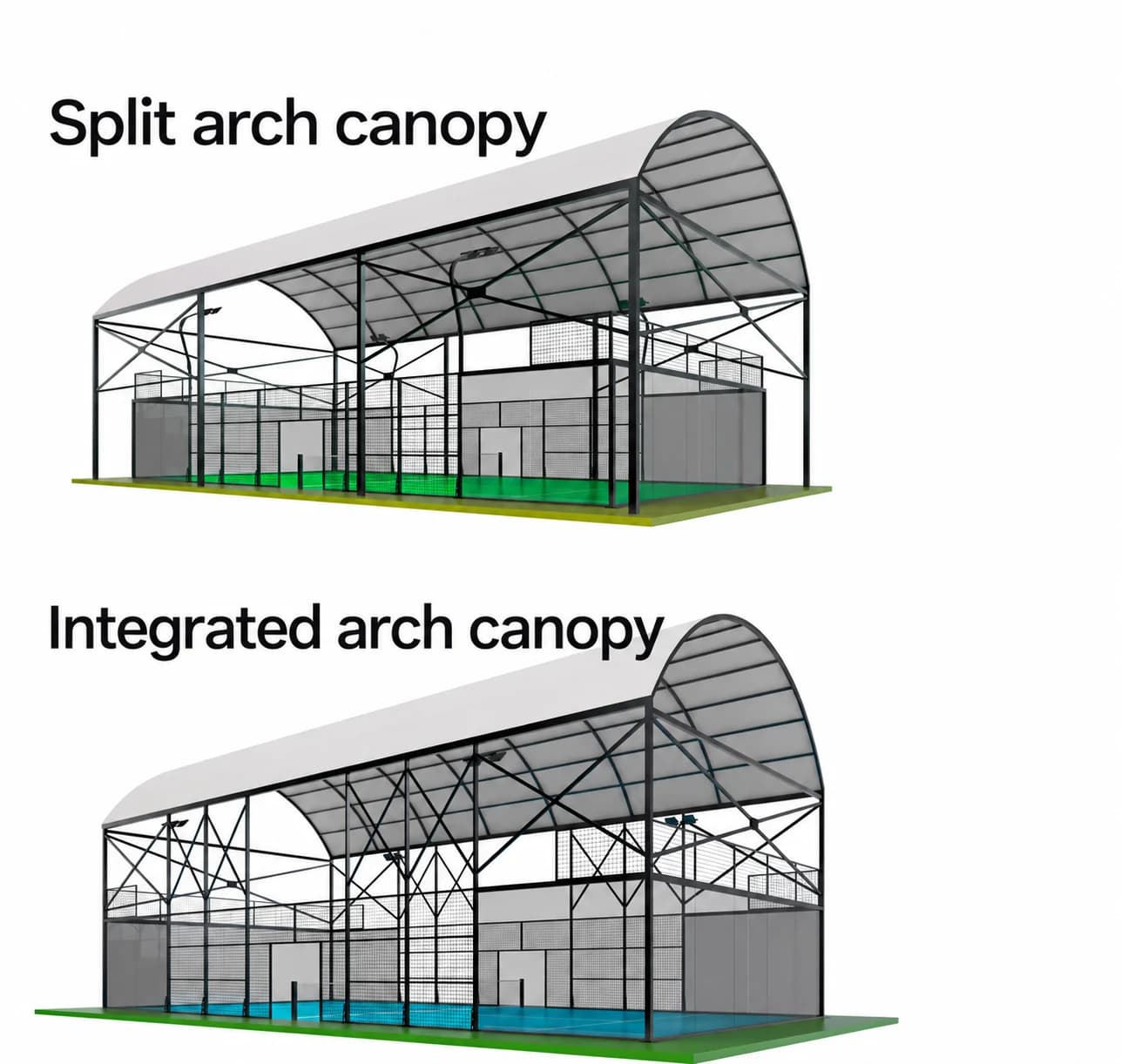
Fixed Padel Court Canopy
Fixed padel court canopies for covered sports venues.
Explore the product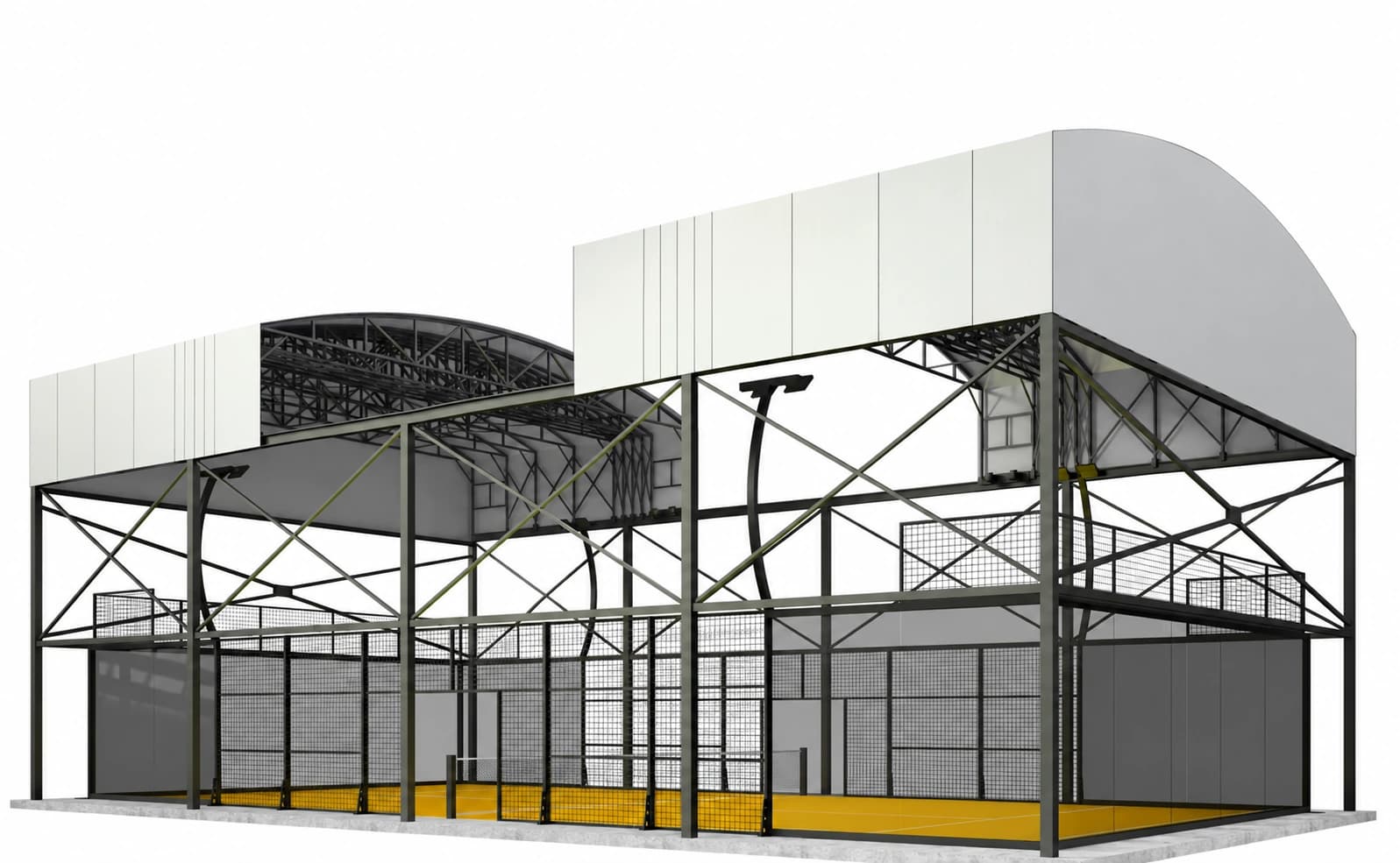
Retractable Padel Court Canopy
Retractable padel court canopies for open or covered play.
Explore the productFrom structure to site
Make the next step clear.
Share your location, court count and project stage. Include the plans or questions you already have.