Describe the environment before selecting a finish
Send the project location and photographs showing the surrounding site. Describe direct exposure to sea spray, sheltered areas, nearby irrigation, industrial activity and places where water remains after rain. A country name or a colour preference does not provide enough information to select the protective finish.
ISO 12944-2 addresses environmental classification for protective paint systems on steel structures. Use the project’s specified exposure category and design requirements in the coating discussion. PadelSpan coordinates the selected finish with the steelwork schedule. The grade, preparation and coating details should be stated for the supplied members; a generic claim that a court is coastal-ready is less useful than that record.
Record the full protective treatment
List the steel component, surface preparation, protective treatment, finish reference and any inspection requirements in the equipment schedule. Identify what happens at welded areas, cut edges, drilled holes and assembly interfaces. Keep the agreed system with the order so repeat parts receive the same finish specification.
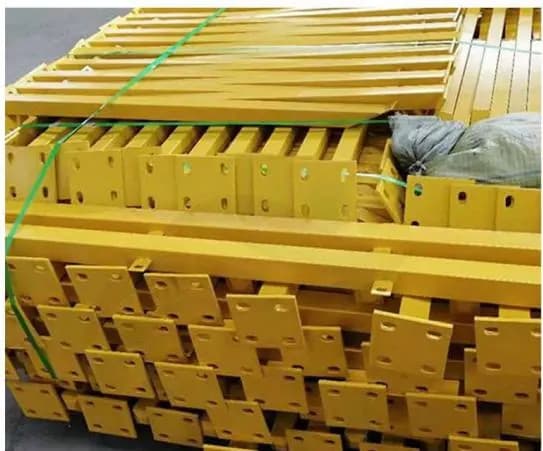
A photograph of a coating gauge or a finished member does not define every part in a court. Where a coating thickness or performance requirement is specified, identify the material, method and inspection record that apply. Do not transfer a value from an unrelated component or another court model.
| Item | Information to put in the brief |
|---|---|
| Exposure | Location, surroundings and project exposure classification |
| Steelwork | Selected model, members and finish specification |
| Connections | Fastener and fixing materials, protective interfaces |
| Inspection | Agreed checks and relevant material records |
| Maintenance | Cleaning access, inspection points and repair procedure |
Review the connections as well as the large members
Inspect the details around base plates, bolts, glass fixings and enclosed sections. Water and debris can collect at interfaces even when the visible frame looks clean. Coordinate the fixing materials, spacers and protective contact details with the selected assembly instead of choosing accessories solely by appearance.
The glass panel schedule and its fixing schedule should remain linked. Avoid changing a fastener or drilling a finished member without checking the approved detail. The factory team can identify replacement components from photographs, dimensions, part labels and the original model reference.
Connect drainage to the corrosion plan
Show finished ground levels, surface drains and roof downpipes on the site layout. Keep roof runoff away from entrances and avoid directing concentrated water onto base plates. The local civil team sizes the drainage for the site and coordinates it with the court and roof foundations.
Provide access for cleaning around supports and removing debris from drainage paths. A protected finish and a sensible layout work together; standing water and inaccessible corners make inspection and maintenance harder. Revisit the drainage arrangement if a roof is added after the court has already been built.
Prepare cleaning and inspection records
Follow the installed product’s maintenance instructions for cleaning agents, methods and inspection intervals. Record visible damage, coating changes, loose components and blocked drainage, with photographs and dates. Arrange repairs using the approved method so a small damaged area is addressed consistently with the original finish.
The club operator should know how to contact our after-sales team and which records to provide. Keep the quotation, finish schedule, packing labels and installation information together. This supports an accurate assessment and helps identify the correct component when a replacement is required.
Ask for the documents that match your court
For an enquiry, send the preferred model, court count, location, exposure information and any specified material or finish requirements. Ask for the applicable steel, wire, glass and coating records. Each document should be reviewed for its named material, tested item and scope.
Use the product page for model dimensions and the factory page for manufacturing information. Use the warranty page for the published terms. A material report, a warranty and a local structural design answer different procurement questions, so keep all three identifiable in your project file.
Further reference
Sources & scope
Our technical team translates your site layout, equipment choices and local construction requirements into a coordinated manufacturing and delivery brief.